Low Altitude Flight Applications
In 2021, weather disruptions cost civil aviation ~$2B in lost revenue. While the total economic impact on low-altitude (drone/UAM) operations is still emerging, the winners will be those that build weather and climate risk into their processes.
Benefits our clients see: improved operational uptime, reduced operating costs, safer go/no-go decisions, and confident performance in complex environments.
DM-AirTech adds value at planning and execution—providing actionable weather intelligence for safe, efficient flight operations.

You can now integrate weather intelligence in your manned and unmanned processes.
In 2021, weather impacted civil aviation with a revenue loss of ca. 2B$.
While today it is still hard to precisely calculate the economic impact of weather on Low Altitude Flight economy, it is clear the businessess who are equipping themselves with the ability to factor strong weather and climate into their processess, designs or operations are the ones who are going to have a competitive advantage while navigating the real world such as ensuring operational uptime, minimizing operational costs, being able to fly confidently in complex environments and so on.
DM-AirTech aims to add value to the planning and decision making, to support safe and efficient management of flight operations.
Investment & Planning
Our weather-based analytics support investment and planning decisions, aiming to maximize the return on investment of our clients.
Increasing your target operability by a few percentage points can easily lead to millions of dollars in additional profits over the lifetime of our project, and our solutions aim to support you to do exactly that.
For Example:
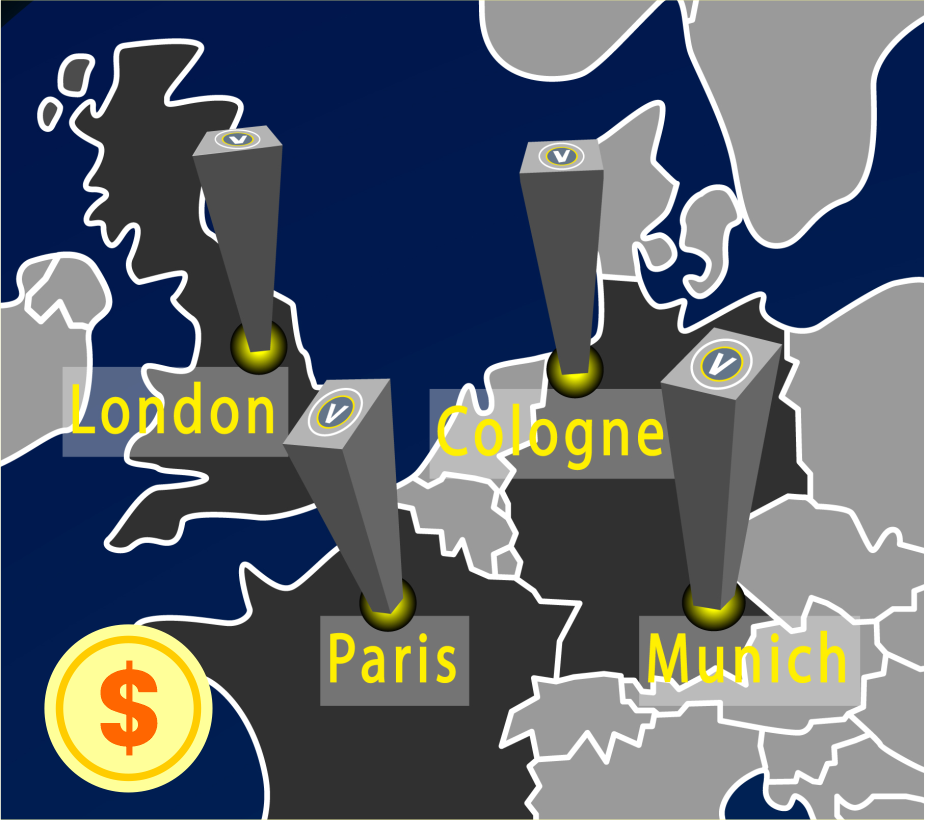
City planners, infrastructure developer and municipalities can use VertiPlaceGWC to identify the most operable locations for Vertiports by integrating weather analysis and factoring specific aircraft’s tolerances. With VertiPlaceGWC (previously CorridorGWC ) it is possible to calculate the efficiency of an aerial connection between vertiports by integrating weather analysis and aircrafts’ specifications, allowing you to select which ones will lead to the highest operability.
Target companies:
Investment Agencies | Municipalities | Authorities | Governments | Vertiport planners | Vertiport owners | Vertiport Managers | Governments | Urban planners
User groups:
Data analysts | Executives | Engineers | Architects
Design Vertiports and Corridors
Determining the levels of wind, gust and turbulence on the Final Approach area for Take-Off and Landing (FATO) is critical to be able to validate if a candidate vertiport location will be viable. Additionally, a vertiport design can be optimized to regularize the flow on the FATO and increase passenger experience, safety, energy efficiency and ultimately ROI.
A parallel optimization can be performed on aerial corridors aiming at finding the most weather resilient connection between mobility hubs.
Leveraging decades of expertise in aerodynamics and wind engineering, we provide design guidelines as well as hands-on tools to support engineers and architects with these optimization processes resulting in enhanced operability.
Examples are:
- Following feasibility studies, when the full focus goes to the design, our data can be easily integrated into engineering’s and architects’ workflows to get design guidelines and improvements w.r.t local winds and turbulence.
- VertiPlaceGWC can validate specific locations and forecast the operability of a target FATO as it gets affected by the surrounding.
Target companies:
Engineering Companies | Municipalities | Authorities | Governments | Vertiport planners | Vertiport owners | Vertiport Managers | Governments | Urban planners
User groups:
Engineers | Architects
eVTOL & Drones requirements
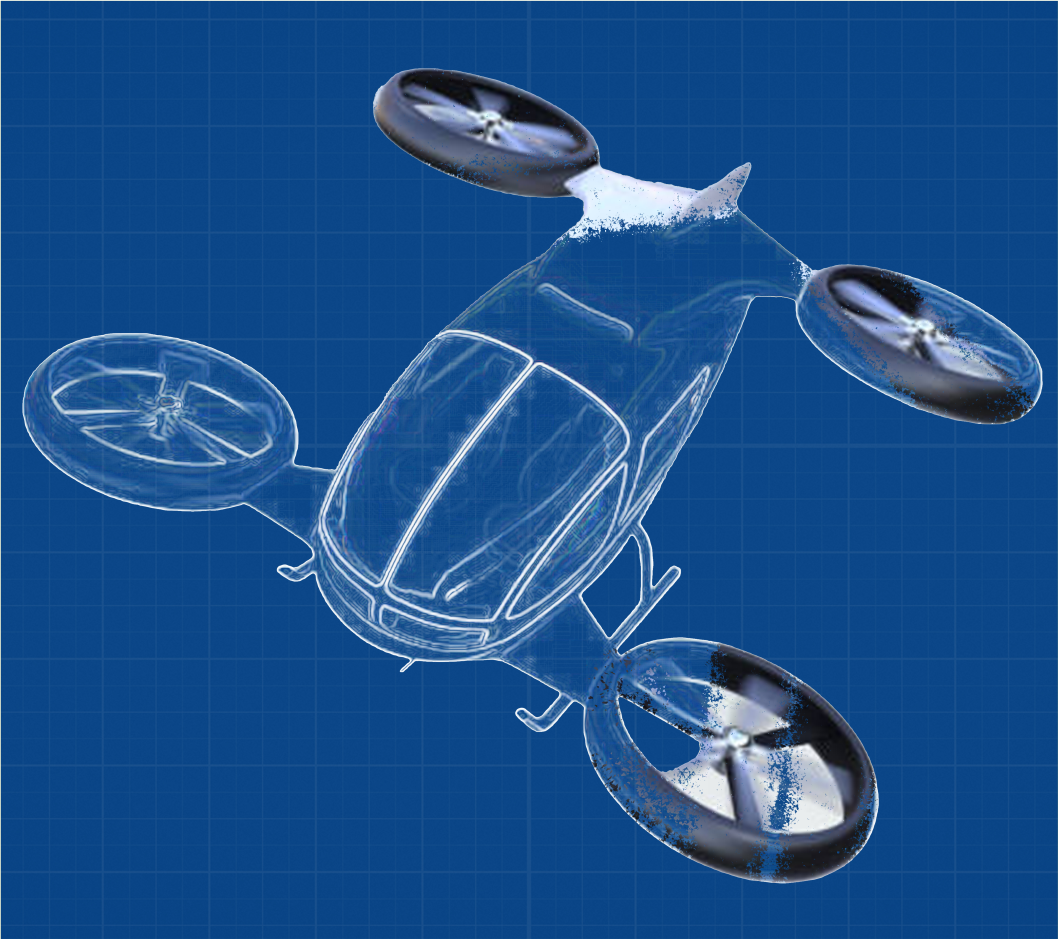
If you are an OEM, you would probably agree that it is rather difficult to design an eVTOL or a Drone capable of high operability in different locations with different weather conditions. You are most likely approaching and executing your design iterations with specific use cases and with target locations in mind.
In terms of weather, our solutions can make it straightforward to determine the specifications of your eVTOL or Drone based on your target operability and location.
For examples:
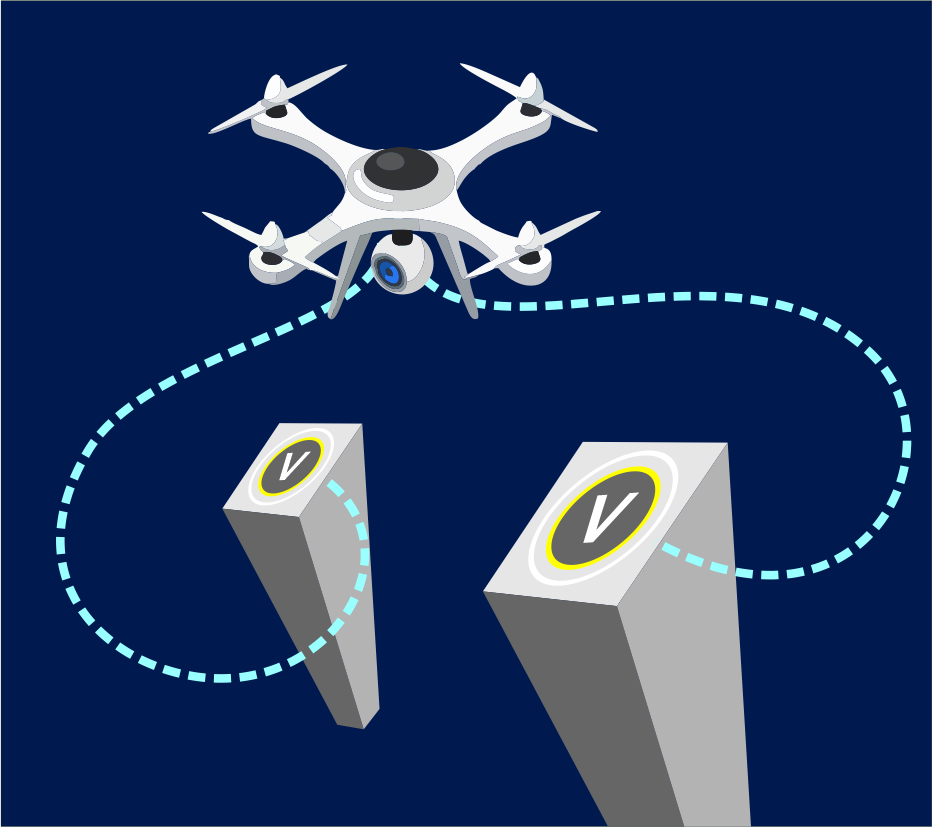
Using VertiPlaceGWC it is possible to analyze operability trends and functions that are dependent on variation of current specifications.
Target companies:
Engineering Companies | OEMs
User groups:
Engineers | Product Owners
Flight operations
We provide on-ground and in-flight weather solutions that integrate and support your flight planning, flight execution and route optimization.
For example:
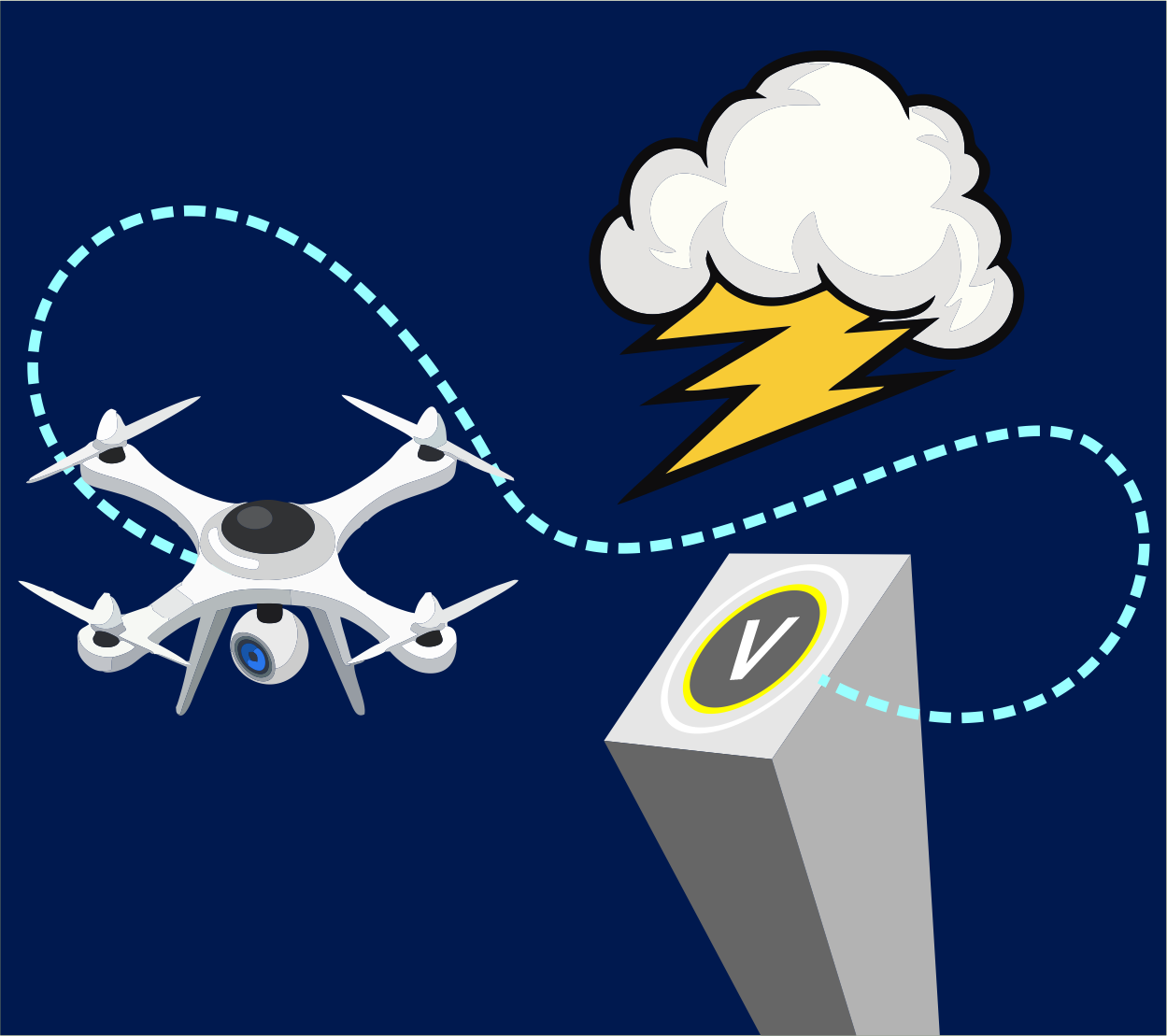
Drone and Vertiport Operators require real time high-resolution weather information as well as autonomous flight enablers. With VertiMonitorGWC we can support real-time weather decision making and weather safety assessments for your highly automated vertiport operations.
Target companies:
Drone Operators | Flight Management Platforms | Vertiport Operators | USSP | UTM
User groups:
Software Engineers | Pilots
Engineering services for Aeronautics
This is an exciting moment for the aeronautical industry. Two major revolutions are happening at once i.e. one is advanced air mobility and the second is electrification.
Our engineering team takes on specific challenges that correspond to our ethics and passions and work very closely with OEMs on project works that support the journey to net zero.
Engineering Services for Aeronautics
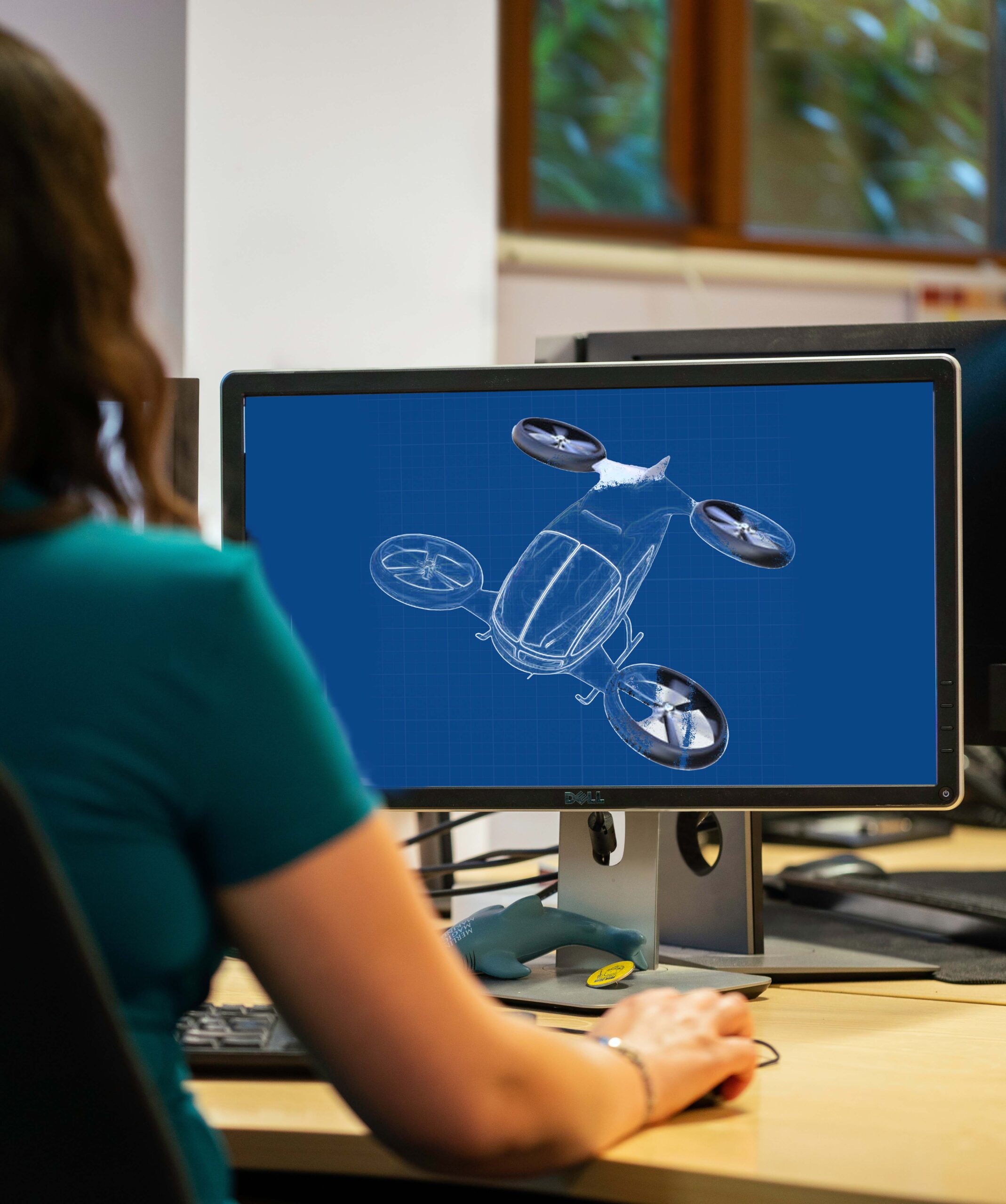
We work with OEMs to support with design of systems and components as well as with their optimization. Whether you are looking for support with aerodynamic / aerothermal designs or hydrogen systems, our Computational Fluid Dynamics and our System Engineering services may be for you.
Examples are:
- We support OEMs with the development of a numerical methodology based on System Engineering, Computational Fluid Dynamics (CFD) to perform architecture up to the component level design of thermal systems and aerodynamics using in-house as well as commercial and open source software e.g. StarCCM+, OpenFOAM, Simulink etc.
- Our team has also expertise and experience supporting the development of controls of Fuel Cell and hydrogen distribution systems, which are deployed on the side of OEMs leading the electrification of aviation.
Target companies:
OEMs
User groups:
Engineers